
Silk, Satin, and Tulle: A Guide to Delicate Wedding Dress Fabrics
Every wedding dress starts with a material that defines its texture, structure, and movement. From soft silks to voluminous tulle, your choice of fabric impacts how your gown looks, feels, and even fits
Understanding the Most Popular Wedding Dress Fabrics
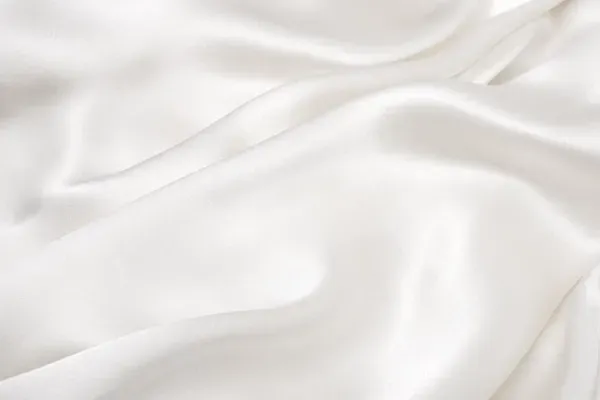
Silk
Silk is one of the most luxurious fabrics in bridal fashion. It’s smooth, breathable, and has a natural sheen. Silk drapes beautifully, making it perfect for minimalist gowns or classic silhouettes.
However, silk can be quite delicate. It absorbs moisture easily and can lose shape if handled incorrectly. That’s why it’s essential to have a tailor experienced with natural fibers, who knows how to steam, pin, and sew silk without causing damage.
Tulle
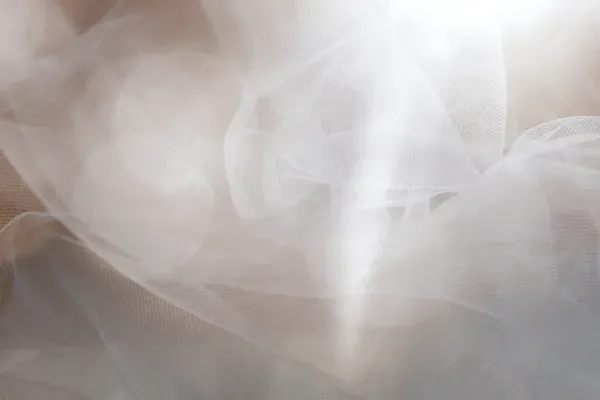
Tulle is the go-to fabric for brides who want a whimsical, romantic feel. It’s a fine netting often layered for volume or used as an overlay for soft movement. You’ll find it in veils, overskirts, and airy ball gowns.
The challenge? Tulle can snag or tear easily if pulled too tightly during alterations. We handle it carefully, using light tension and small, hidden stitches. Many modern brides are choosing detachable tulle overskirts or sleeves — a trend that gives you two looks in one day.
Satin
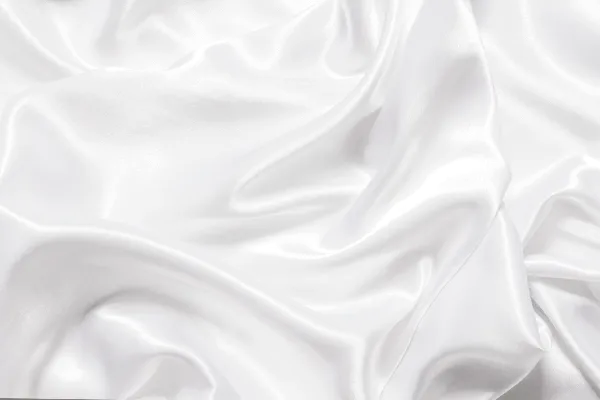
Satin is a favorite for brides who want that rich, luminous finish. It’s slightly heavier than other silk fabrics and holds its shape well, which is why many structured gowns — like ball gowns or mermaid styles — are made from satin.
To clarify, satin isn’t a fiber; it’s a type of weave. You can find silk satin (luxurious and natural) or polyester satin (more affordable and durable). Either way, satin can pucker and show every stitch, so precise tailoring is key to keeping the fabric smooth and wrinkle-free. Our team uses fine tools and hand-finishing techniques to ensure to smoothest satin possible.
Lace
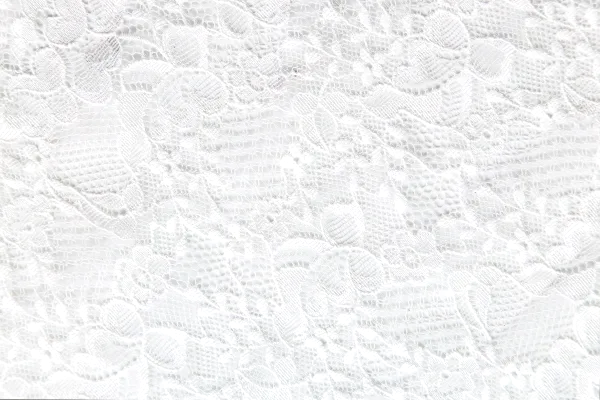
Lace is another highly popular bridal fabric. It can be soft or bold and ornate, depending on the type. Brides often choose lace for sleeves, bodices, or overlays to add depth, texture, and even modesty.
Check out our blog dedicated to
Lace Wedding gowns.
Why Fabric Knowledge Matters for Alterations
Each fabric behaves differently. Silk can stretch, satin can show needle marks, and tulle requires a featherlight touch. A tailor who understands fabric behavior can adjust your dress without distorting its texture or drape.
Caring for Your Wedding Dress Before and After the Big Day
To keep your dress looking flawless, always store it in a cool, dry space and avoid direct sunlight. When steaming delicate fabrics, use low heat and a pressing cloth to prevent damage.
Check out our guide on how to properly steam your wedding dress.
After your wedding, have your gown professionally cleaned and preserved — this prevents discoloration and fabric damage over time. We often guide brides through post-wedding care, helping them preserve their gowns or repurpose parts into keepsakes.
Conclusion
Your wedding dress fabric defines how your gown moves, photographs, and feels throughout your big day. Whether you’ve chosen silk for its elegance, satin for its shine, or tulle for its softness, the right tailoring will elevate every detail.
Q: What’s the difference between satin and silk?
Silk is a natural fiber, while satin refers to the glossy weave used in fabrics. Satin can be made from silk or synthetics.
Q: Can tulle be altered or shortened?
Yes, but it requires precision. A skilled tailor can shorten or reshape tulle layers without creating uneven edges.
Q: Which fabric is best for warm-weather weddings?
Lightweight silk or chiffon works best for summer brides — they’re breathable and comfortable.
Q: How do I keep my dress from wrinkling?
Store it hanging by the loops inside the garment, not the straps, and use a handheld steamer with gentle heat before the event.